Comprehensive Course Catalogue — Ruach Chayah Bible & Vocational Training Center
Quick notes
Each course shows: Qualification level, Suggested duration, Core modules / topics, and Learning outcomes.
Levels used: Short course / Certificate (1–6 months); Diploma (6–24 months); Advanced Diploma / Higher Diploma (12–24 months); Bachelor / Degree (3–4 years); Postgraduate / Masters (1–2 years). Adjust to national/regulatory requirements and accreditation standards as needed.
1. THEOLOGY & DIVINITY STREAM
A. Certificate in Christian Foundations (Introductory)
- Level: Certificate (3 months)
- Core modules: Survey of the Bible; Salvation & Christian living; Prayer & worship; Introduction to doctrine; Church history (high level).
- Outcomes: Basic biblical literacy, Christian walk formation, ready for further theological studies.
B. Diploma in Theology
- Level: Diploma (12 months or 2 semesters)
- Core modules: Old Testament Survey; New Testament Survey; Systematic Theology I & II; Hermeneutics & Biblical Interpretation; Church History;
- Homiletics (Basics); Christian Ethics; Pastoral Ministry Foundations.
- Outcomes: Ability to prepare and deliver simple expository sermons, lead small groups, basic pastoral care.
C. Higher Diploma / Advanced Diploma in Divinity
- Level: Advanced Diploma (18–24 months)
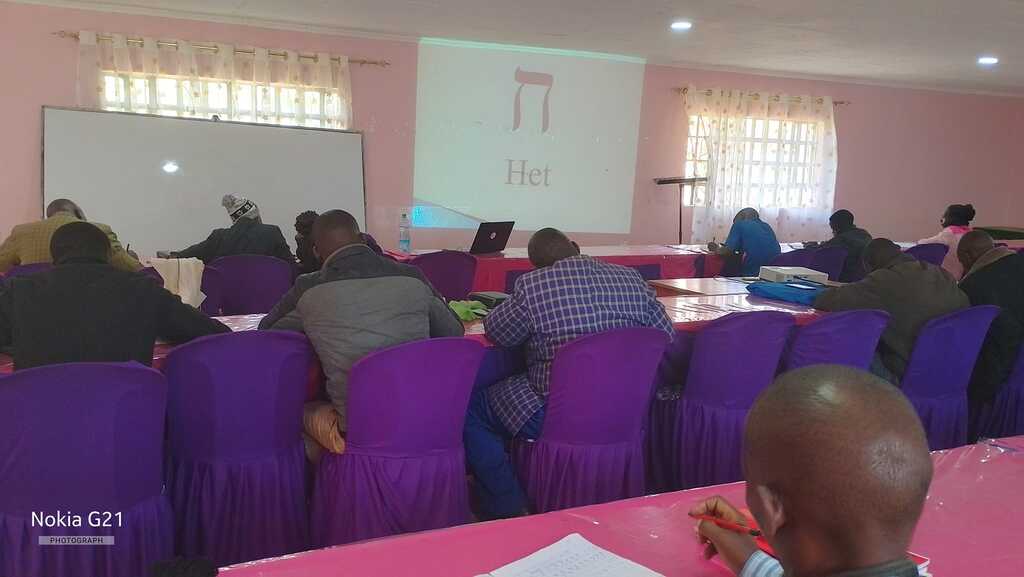
- Core modules: Advanced Systematic Theology; Biblical Languages (Introductory Hebrew & Greek); Advanced Hermeneutics; Homiletics & Liturgy; Sacramental Theology; Ecclesiology; Pastoral Counseling I; Practical Ministry Internship.
- Outcomes: Serve as licensed ministers; lead congregational ministries; supervise lay workers.
D. Bachelor of Divinity / Bachelor of Theology (BTh / BD)
- Level: Degree (3–4 years)
- Core modules: Comprehensive Bible studies; Biblical languages; Theology (systematic, historical, practical); Missiology & Comparative Religions; Church Administration; Pastoral Care & Counseling; Research Methods & Thesis.
- Outcomes: Prepare graduates for pastoral leadership, theological teaching, and advanced studies.
E. Postgraduate Diploma / Masters (MTh / MA in Theology)
- Level: Postgraduate (1–2 years)
- Core modules: Advanced theological specializations (e.g., Systematic Theology, Biblical Studies); Research thesis; Teaching practice; Advanced pastoral formation.
- Outcomes: Prepare for teaching, senior pastoral roles, denominational leadership, or doctoral studies.
2. CHRISTIAN EDUCATION
A. Certificate in Christian Education & Sunday School Teaching
- Level: Short course / Certificate (1–3 months)
- Modules: Principles of Christian education; Child & youth discipleship; Curriculum planning for church; Teaching methods & classroom management; Safeguarding & child protection.
- Outcomes: Lead and teach Sunday school and youth classes.
B. Diploma in Christian Education
- Level: Diploma (6–12 months)
- Modules: Child & Adolescent Spiritual Formation; Curriculum design; Educational psychology for ministry; Media & resources for Christian teaching; Assessment & evaluation; Practical placements.
- Outcomes: Design and run structured church education programs, train teachers.
C. Advanced Diploma in Christian Education & Curriculum Development
- Level: Advanced Diploma (12–18 months)
- Modules: Adult learning in church contexts; Faculty training; Instructional design; Digital & blended learning for churches; Monitoring & evaluation; Leadership of education ministries.
- Outcomes: Lead denominational training programs, manage Bible college adjunct instruction.
3. CHRISTIAN COUNSELING & PSYCHOLOGY
A. Certificate in Pastoral Care & Basic Counselling
- Level: Certificate (2–3 months)
- Modules: Listening skills; Basic counseling ethics; Crisis intervention; Biblical approaches to suffering & grief; Confidentiality & referral pathways.
- Outcomes: Provide first-line pastoral care and make appropriate referrals.
B. Diploma in Christian Counselling & Psychology
- Level: Diploma (9–12 months)
- Modules: Counselling theories; Developmental & abnormal psychology basics; Trauma-informed pastoral care; Family & marriage counselling; Group counselling; Substance misuse and addiction awareness.
- Outcomes: Conduct structured counselling sessions; create care plans; refer to professional mental health services when needed.
C. Advanced Diploma in Clinical Pastoral Counselling
- Level: Advanced Diploma (12–18 months)
- Modules: Advanced counselling techniques (CBT, narrative therapy basics); Psychopathology overview; Suicide risk assessment; Counselling supervision practicum; Ethics & law.
- Outcomes: Provide advanced pastoral counselling within ethical boundaries and supervise lay counsellors.
D. Certificate in Psychological First Aid & Community Mental Health
- Level: Short course (1–2 weeks)
- Modules: Psychological first aid principles; community awareness campaigns; self-care for caregivers.
- Outcomes: Support communities in emergencies and stabilize acute distress.
- Note: Clinical psychology and formal mental health practice require professional accreditation — ensure the centre’s counselling programs include clear referral pathways and partner with licensed clinicians for supervision.
4. MISSIOLOGY & MISSIONS STUDIES
A. Certificate in Mission & Evangelism
- Level: Certificate (1–3 months)
- Modules: Biblical basis for missions; Evangelistic methods; Cross-cultural basics; Practical outreach planning.
- Outcomes: Lead and participate in local outreach and short-term mission trips.
B. Diploma in Missiology
- Level: Diploma (6–12 months)
- Modules: History of Christian missions; Contextual theology; Church planting methods; Cultural anthropology for missionaries; Mission logistics & care; Language learning strategies.
- Outcomes: Plan and implement church-planting and holistic mission projects overseas or in unreached communities.
C. Advanced Diploma in Global Christianity & Development
- Level: Advanced Diploma (12–18 months)
- Modules: Mission theology; Development & relief integration; Cross-cultural counselling; Strategic mission management; Partnerships & NGO ethics.
- Outcomes: Lead mission agencies or community development projects with cultural sensitivity.
5. CHRISTIAN LEADERSHIP & MANAGEMENT
A. Certificate in Christian Leadership Essentials
- Level: Certificate (1–3 months)
- Modules: Servant leadership; Vision & mission; Team ministry basics; Time & conflict management.
- Outcomes: Equip emerging leaders to lead small teams and ministries.
B. Diploma in Church Leadership & Management
- Level: Diploma (6–12 months)
- Modules: Organizational leadership; Strategic planning for churches; Church finance & stewardship; Human resource basics for churches; Legal & compliance basics; Project management for ministry.
- Outcomes: Manage church operations, finances, volunteers, and projects effectively.
C. Advanced Diploma in Organizational Leadership (Faith-based)
- Level: Advanced Diploma (12–18 months)
- Modules: Change management; Governance & board relations; Fundraising & donor relations; Communication & media strategy; Leadership ethics & accountability.
- Outcomes: Serve as executive pastors, denominational administrators, NGO managers.
D. Short courses / Workshops
- Governance & Board Training; Volunteer Management; Conflict Mediation for Churches; Church Marketing & Media; Fundraising & Grant Writing.
6. VOCATIONAL TRAINING COURSES (Comprehensive list)
(Each vocational course can be offered as certificate (short), diploma (extended), or competency-based modules. Suggested durations given.)
Agricultural & Agro-processing
- Certificate in Sustainable Crop Production — 3–6 months
- Certificate in Poultry & Small Livestock Management — 3 months
- Agro-processing & Value Addition (e.g., drying, milling, jam-making) — 2–4 months
- Kitchen Gardening & Permaculture — 1–3 months
Trades & Construction
- Carpentry & Joinery — 3–6 months
- Masonry & Bricklaying — 3–6 months
- Plumbing & Basic Pipefitting — 3–6 months
- Basic Electrical Installation & Maintenance — 3–6 months
- Welding & Fabrication — 3–6 months
- Painting & Decorating — 1–3 months
Information & Communication Technology (ICT)
- Basic Computer Literacy (ICDL-style) — 1–2 months
- Office Applications (Word, Excel, PowerPoint) — 1 month
- Graphic Design & Visual Communication (intro to Canva/Adobe basics) — 2–3 months
- Mobile Phone Repair & Diagnostics — 2–4 months
- Web Design & Basic Coding (HTML/CSS/intro to JS) — 3–6 months
- Digital Marketing & Social Media Management — 1–3 months
Hospitality, Food & Catering
- Food Hygiene & Safety — 1–2 months
- Certificate in Cookery & Catering — 3–6 months
- Baking & Pastry — 2–4 months
- Housekeeping & Small Hotel Operations — 2–4 months
Beauty & Personal Care
- Hairdressing & Barbering — 2–4 months
- Beauty Therapy & Skincare — 2–4 months
- Makeup Artistry — 1–2 months
- Nail Technology (Manicure & Pedicure) — 1–2 months
Entrepreneurship & Business Skills
- Small Business Management & Entrepreneurship — 1–3 months
- Bookkeeping & Basic Accounting (manual & computerized) — 1–3 months
- Sales & Customer Service — 1 month
- Microfinance & Cooperative Management — 1–2 months
Creative & Media Skills
- Worship Leading & Music Ministry — 2–4 months (voice, instruments, arranging)
- Audio Production & Sound Engineering (basic) — 2–4 months
- Video Production & Editing — 2–4 months
- Graphic Design (practical portfolio) — 2–4 months
Automotive & Mechanical
- Motorcycle (Boda-Boda) Mechanics — 2–4 months
- Small Engine Repair — 2–4 months
- Auto Electrical Basics — 3–6 months
Textile & Handicrafts
- Tailoring & Dressmaking — 3–6 months
- Embroidery & Beadwork — 1–3 months
- Leatherwork & Shoe Repair — 2–4 months
Renewable Energy & Technical Skills
- Solar PV Basics & Installation — 2–4 months
- Basic Electronics & ICT Hardware — 2–4 months
Health & Social Care (non-clinical)
- Community Health Worker Basics — 2–3 months
- Caregiver / Elderly Care — 1–3 months
- First Aid & Basic Life Support — short course (1–5 days)
7. INTEGRATED / DUAL TRACK PROGRAMS
(Designed to equip a graduate spiritually and practically)
- Diploma in Ministry & Vocational Skills — e.g., combine Diploma in Theology (part-time) + Tailoring or ICT certificate (full-time) — 12–24 months.
- Community Development & Mission — combine Missiology + Agroprocessing + Business training for church-led development projects.
- Youth Empowerment Track — Christian formation + digital skills + entrepreneurship.
8. SHORT MODULES, WORKSHOPS & CONTINUING EDUCATION
- Pastoral Ethics & Safeguarding (1–2 days)
- Trauma Care & Counselling for Ministry Workers (3–5 days)
- Church Finance & Small-scale Project Grant Writing (1–2 weeks)
- Worship Band Intensive (1–2 weeks)
- Vocational skills “bootcamps” (intensive 2–6 week courses) for quick market entry.
9. PRACTICAL DETAILS TO INCLUDE IN YOUR CATALOGUE (suggested)
- Admission requirements for each level (age, prior education, pastoral recommendation for ministry tracks).
- Assessment methods: written assignments, practical assessments, ministry placements, end-of-course exams, portfolios.
- Certification: list certificates/diplomas awarded, and any external accreditation partners or national TVET (or equivalent) recognition.
- Internship / Attachment: ministry placement with a local church or community placement for vocational students.
- Tuition & Fees: (Add local fee structure)
- Student support services: counselling, career guidance, small-business incubation (link to micro-loans/seed grants if available).
10. Suggested core learning outcomes across the Centre
1. Spiritual formation: Graduates demonstrate a mature Christian faith and capacity to lead small groups and ministries.
2. Biblical competence: Graduates can read, interpret, and apply Scripture responsibly.
3. Practical competence: Graduates gain hands-on vocational skills for income generation and community service.
4. Leadership & management: Graduates can manage church projects, lead volunteers, and run small enterprises.
5. Counselling & care: Graduates provide first-line pastoral care with ethical referral practices.
6. Community development: Graduates plan and implement sustainable, faith-informed social projects.